Change your life by
managing your money better.
Subscribe to our free weekly newsletter by entering your email address below.
Subscribe to our free weekly newsletter by entering your email address below.




Chuck and Margo have a BIG shovel. But getting through medical school gave Chuck some BIG blind spots. We want to show them a better way to do money, and set them up for a life of abundance.
Learn more about how you can incorporate millionaire habits into your own life and master your money mindset. Cultivating a healthy relationship with money doesn’t need to be difficult, but just like any other habit, it must be practiced and perfected over time.
Subscribe on these platforms or wherever you listen to podcasts! Turn on notifications to keep up with our new content, including:



Brian: Welcome to Making a Millionaire where we help millionaires and millionaires in the making build their Great Big Beautiful Tomorrow. I’m your host Brian Preston joined by Mr. Bo Hansen.
Bo: That’s right. We are so excited that we get to do a deep dive into the financial lives of listeners just like you and today we have Chuck and Margot joining us. Thanks so much for hanging out with us guys.
Margot: Thanks for having us.
Chuck: Of course. We’re excited.
Bo: Awesome. So for those of the folks out there watching who don’t know you guys, give us a run—who are you? What’s your family situation? What do you do? Give us the quick bio.
Margot: We are in our 30s—in our early 30s. We have a little one—2 and a half years old—just one kid. We live on the east coast—sort of Mid-Atlantic area. Both of us—Chuck is a doctor, I’m a psychologist. So both did quite a bit of training in our 20s. Yes. And we were out in the Midwest for all of that and then moved back East—that’s where I’m from originally—and it was in the marriage contract.
Brian: I love it.
Chuck: But no, it’s been great. I mean we have a big family out in the east coast that has been very supportive and been great to have around now that we’re back.
Bo: Y’all both in school for a million years—is that where y’all met? Is that how y’all came together?
Margot: We actually met—we were both living in the DC area right after undergrad. So I had just graduated—he was one year out and we were both doing—it was very very nerdy—both doing research fellowships and we were in different labs—totally different areas—but we met through friends.
Bo: Love the lab. I love it. That’s awesome. Oh that’s so fun. And so you’re a doctor—what kind of medicine—what kind of doctor are you?
Chuck: I’m an anesthesiologist.
Bo: Anesthesiologist. Awesome. Cool cool cool.
Bo: Now as you guys were great—you filled out a form kind of telling us a little bit about who you are and your background. It sounds like growing up as it relates to money and finances y’all had two very different backgrounds. Can you kind of walk us through what was your financial childhood like and how did that form your view of money today and how’s that impact y’all’s relationship too?
Chuck: So I would say I’m the anxious out of the two of us to say the least and it’s from my background. I mean I grew up mostly with my father after like second grade and on and we—you know we had a great growing up—we had everything we ever really needed but I would say low middle class. But he always had a great job and I think you know as soon as we—when we’re getting older—you know he definitely advanced in the financial world and started doing really well. One of the principles he always taught me was when you go to work someday or when you wake up in the morning you want to be happy. Yeah. And so I always had this kind of pounded—he was never the happiest guy in the world to go to work and—not as I do right. Yeah. And so I always had this—I really need to figure out what I want to do. I want to figure out what I want to do but I also want to make good money. Yeah. And that’s not why I ended up in medicine—I never went to medicine to make money. I just am a nerd at heart so that’s how I ended up in medicine. She laughed a little too hard at that. But yeah I don’t know why but my childhood created a lot of insecurities and I still have a ton of insecurities.
Bo: Were there traumatic events that you went through as a kid or it just—scarcity and doing without?
Chuck: I don’t know. I mean because to me it wasn’t—I didn’t feel like we had scarcity mindset but I for some reason I just always had this insecurity and I don’t know why to be honest.
Brian: What do you mean when you say insecurity? I’m trying to figure out is this fear—you’re too conservative with things or fear that there’s not going to be enough money or fear—what—what—what—lean in and tell me what the fear is.
Chuck: Yeah, fear of not having enough money. Okay. And so I think—and I mean it probably started—you know I always got a few handshakes here and there from my parents in regards to a couple hundred dollars when I was in college but I pretty much went through college by all private loans or Federal loans. I worked in the summer and to go into medicine you had to do research so therefore you made no money in the summer but I would survive on like $3,000 for the whole year of college, you know what I mean and so I was always—
Bo: College—great when you could actually do that.
Brian: Well but I think it’s incredible to say—I mean it—it was not only driven by fear but it was necessity to get you through that period because when I was reading your notes you pretty much were on your own post high school and you’ve been to school forever—we all know school’s not cheap so that I can understand that some of the mental things that we’re going to hopefully help you unpack—but there was a time and a place that that probably offered a lot of value and you reaching the goal that you’ve accomplished—it’s pretty cool in some ways. I know adversity you know is not desired but there are times—you know I’ve shared that I started my first business after my father passed away and that was a horrible thing but I got this clarity of—trauma growing up with scarcity sometimes can create a superpower. Now we got to unpack it because it’s not healthy if it stays that way forever but I love that you shared that.
Bo: Okay. So what about your background? What was your financial background with money like?
Margot: Yeah. So we had pretty different upbringings when it comes to finances. I would say I was extremely fortunate—not that you weren’t but—from an upper middle class family. Had grandparents who had done very well and were able to finance all of their grandchildren’s education—wow—yeah—which took just a huge burden off of my parents’ generation—not to say that I wouldn’t have been able to go to the schools that I went to but you know didn’t have that same burden of loans and things like that because my education was paid for. I always had a job—starting in high school I was a lifeguard—you know I always worked. But it was more working because that was a value in my family rather than necessarily a necessity. And so when I worked that money was all for me—I got to use that money how I wanted to. I would say we talked very little about money growing up. To this day I have no idea what my dad made or makes. My dad in a lot of ways interestingly even though he came also from a very comfortable background has much more of a similar mindset to Chuck. Sometimes in my family there’s a little inside joke about their similar tendencies on some of these things.
Brian: Well I know your parents didn’t talk to you about money but did you feel like your parents talked to each other—was there good communication between between your parents on what y’all had and did not or did you feel like money wasn’t even shared that much there either?
Margot: Yeah. It wasn’t really shared that much either. I think I mean my mom tells this story and if she watches this—if my parents watch this they might—
Brian: Can we clean it up to where you don’t—we don’t mess up Thanksgiving? I still think the share could be very beneficial because of stuff in relationships. Okay. Love you guys.
Margot: But my mom tells this story that she one time opened up a bank account because she felt like my dad was micromanaging her. My dad was—he’s very—he gets very anxious about finances and she always felt like he made her feel like there wasn’t enough even though that absolutely was not the case—it was—yeah we were fine—and she was like okay well I’m just to open my own account so that I don’t have you micromanaging me and apparently that went over quite poorly and so she closed the account. But yeah it’s interesting—my dad—even though we’ve thank God always been very comfortable—there—I grew up with him having that anxiety but—and I think as an adult I’ve not completely boomeranged the other way but you don’t have that same level of anxiety.
Bo: So as you guys got married and started a relationship together was there friction there that you came from different backgrounds or even when you think about the childhood you’re trying to create for your two and a half-year-old—which childhood do you want to emulate? Do you want more of your childhood or more of your childhood?
Margot: I mean I think that our core values align really well so we really haven’t had friction around it. We’ve been able to kind of navigate it together and I think we have pretty good communication about finances. I think we also just balance each other pretty well and it’s kind of like he has some really strong strengths and some not as strong areas of growth we’ll call them and I have some really strong strengths and some significant areas of growth for—
Brian: Grow—well it’s a good beginning the game.
Chuck: Yeah but they have to fit really well together for some reason—we literally mesh about everything in life very easily—in finances even though I’m very anxious—expensive purchases for instance—she knows I’m not going to pull the trigger right and she’ll just literally sit there and tell me to buy it.
Brian: I love it because she knows you probably need that—you need someone to kind of coach you along in that. I want to get a—pull out a little bit more because you said you do y’all communicate well about finances. Give—tell us a little bit about that because we talk about all the time going over annual net worth statements and other things. What tools do y’all use to communicate money back and forth to each other?
Margot: Every six months or so he’s like “So I think we should do a little finance date night.”
Brian: I love it. I love it.
Bo: It’s a favorite kind of date night.
Margot: I would say it happens 50% of the time so probably—we’re talking once a year but—I don’t know—you’ve made me do Kinder questions before and—
Chuck: Not maybe—yeah—yeah. I mean I think we’ve also had—so when I came across the Kinder question it was one of those AA-ha things to me where it was how do we want to live life and we’ve had a couple hiccups along the way and every time we have a hiccup we go back to the Kinder questions and create a goal or our goals for the year—are short-term long term—and—
Brian: And how do you feel after those meetings?
Margot: Good. I’m always glad when we’ve done them. I mean the other thing is—he said before we started—he’s been really interested in finance and so we talk about it casually a lot. He’ll share with me what he’s learning about different things. He’ll take courses and then almost every night when we’re just hanging out and watching TV—I’m watching some trash reality show on Netflix and he’s doing our finances—dropping information so we’re communicating about it frequently on a less formal basis too.
Brian: That’s great.
Bo: Well it sounds like you guys do mesh really well and obviously thus far in life you’ve been able to do pretty solid. I mean you said you’re in your early 30s—you both have fantastic jobs but you’ve done a great job of building and accumulating assets. You guys were kind enough to share with us a net worth statement—we thought it’d be valuable just kind of look at okay where are you guys today to sort of level set for the audience. And what you can see is right now your total net worth is a little over $550,000 which is amazing for a couple in the early 30s. You currently have in cash about $60,000 or so—about $37,000 in savings accounts and another $22,000 in I bonds. What made you do I bonds? Where did that come from?
Chuck: So this is my first year out of residency and I had really a surplus of cash and I bonds were 8%—this is back when that whole arbitrage—everybody was trying to get the 9 to 10% out of the I bonds. It was kind of my emergent two-year investment to where I knew it’d be good for at least two years and if I needed it in two years I’d pull it out. So that’s where that came from. So it’s actually part of it’s mine—part of it’s our son’s—you know—
Bo: Okay. Okay. How much of it is earmarked for your son?
Chuck: Just half and half.
Brian: Okay. But I mean—I mean it’s liquid.
Chuck: Got it.
Brian: I’m always the old man on the front porch that picks on things and Bo and I had a little debate on this because he was generous and let you put that under cash. I don’t really consider that cash. I think that savings and that’s why it did surprise me because y’all’s income is very strong. Now to your defense—and I even made Megan—one of our producers—go behind the scenes and do the math to check it because I was like there’s no way they’re living off of that but you are—you’re very—that is 3 months bare bones of expenses right on the savings account of living expenses.
Chuck: I consider our—you know that there’s different platforms of having emergency cash and so I look at it as our taxable account is also—
Brian: No—that’s an—access—that’s an access to cash but I’m just—no—
Chuck: What I’m just saying is if I really am burning—if we came into this crazy emergency—that’s my mindset—you know—
Brian: Can I be honest? My stomach dropped a little when I don’t know—you know I wrote a book called Millionaire Mission—haven’t read it yet—and in there—in there financial mutants all make this mistake. I made this mistake. This is why I know it’s a trap and I get worried for everybody out there that thinks if I just have a brokerage account I can always get access to that. But when it rains it pours meaning bad things happen in groups—is that now you’re a doctor so hopefully we’re always—I don’t hope we need doctors but it’s a reality we’ll need doctors—but a lot of times your real estate value will go down, your stock market value will go down and the job market will get crushed and it will happen all at the same time. There’s not diversification when it comes to crisis cash. I know it’s not sexy. I know it’s not one of those things that gets people excited that you’re—that you’re having this money sitting over here because you—as a mutant—think that I can maximize but it’s just—don’t fall under that trap because when you go underwater in the emergency you’re going to crave oxygen and that’s what your cash reserves are—they are the oxygen you breathe. We all take it for granted while we’re above water but as soon as you go under it it is priceless—it really is.
Chuck: That’s good advice and we’ve already sadly already had to—last year had to dip into the whole thing almost right—you see how quickly you can liquidate those assets and especially if something bad happens and you do see the brokerage account go down.
Bo: So you have about—depending on how you count it—somewhere between $40,000 to $60,000 in cash. And then you both are doing great in terms of how you’re accumulating Roth retirement assets. Margot, your Roth has just under about $60,000 in it. Chuck, yours has right at $60,000. You have a 403(b) that you’re participating in Chuck that you have about $10,000 in. I’m assuming is that a new account that—
Chuck: That was just residency—that’s an old account that’s just kind of hanging out.
Bo: All right. Your 401(k) Chuck has about $168,000 in it. Margot, you have a solo 401(k) with about $56,000 and then you guys do have an after tax brokerage account with about $22,000 in there. So just think about the three tax buckets—you guys are doing a great job right? It’s almost like you listen to a financial show that really encourages building up tax buckets right?
Chuck: Ah—it’s awesome.
Bo: So we love seeing that. Obviously that’s a great place to be here in your early 30s. And then you do have your primary home valued at $735,000 and then there’s an angel investment of $80,000. What’s that? Where did that come from? What are the details on that?
Chuck: I kind of keep it superficial. It’s brother-in-law’s business.
Bo: Okay. So it’s a family business that you’ve—did you invest in or it’s a family business that you’re just participating in or is that a loan?
Margot: We invested but using money that I inherited.
Bo: Got it. Yeah. Awesome. So it’s a—it’s a closely held family thing—not something you did outside—so it’s kind of part of more estate planning deal going on with the family.
Chuck: Well I mean it’s a big—it’s a big company or business now and it—this is going to pay off at some point—it sounds—Well it started—I mean there’s only probably—it’s already paid at least likely fourfold. Likely. What did we invest in—little over $20,000?
Brian: So that’s actually the value of it—this is the other side of the angel investment for you. Good for you guys. Y’all are the opposite side of most—you know family stories about loaning money or investing—it turns into a woeful tale—yours is actually—angel investment is the right name for that.
Bo: Yeah. Yeah. All right. And then now you also have—I’m going to go through the debts first. You have a mortgage—about $670,000 owed on that and the interest rate is 3.88% which is wonderful. That’s a super low mortgage rate. There’s a lot of people in the country right now that wishes that that was their mortgage rate. You do have student loans currently—about $74,000 of student loans remaining.
Brian: But put a pin in that. How big was that student loan because you were in school forever? You didn’t really get financial help after high school. I can’t imagine you came out of medical school with $100,000 of debt.
Chuck: No it was $307,000.
Bo: Wow. Wow. So you’ve paid down from $307,000 down to $74,000 by your early 30s
Chuck: And we’re at $54,000 now because they paid off $20,000 the last month.
Bo: All right. But—noted on the bone for me because I have some things I’m going to try to—I’m going to try to encourage you on and you’re over here just going to town—me remind me again—crusading against that debt obviously because I want—I want to know about that. What’s the interest in the student loans presently?
Chuck: Well that’s the issue—it’s nothing—oh it’s zero%.
Bo: Yeah. So it’s all federal—this is all federal—and the federal government’s been in shambles—
Brian: So you’re paying—I just want to make sure I’m understand—you’re paying down 0% interest.
Chuck: 100%.
Bo: Okay. Just want to make sure—there’s 0% interest. Okay. Just making sure I’m getting that.
Chuck: And the loan—so the loan that you see there too—that went towards that initial—part of it went towards that in our home purchase.
Brian: Okay. So I can just sense it in your face Chuck—you know I’m going to pick on you about this. Yeah. It’s kind of—you know when I got married I bought a set of golf clubs because I knew my wife probably wasn’t going to let me make those type of purchases. I feel like you paid down that additional $20,000 on that student loan because you knew I was going to have questions later.
Chuck: And I don’t know if you follow it—so three months ago right they were accruing interest and so now they’re not—on that—average a little over 5%—right around 5%.
Brian: You’re in the early 30s. Do you consider 5% high interest or low interest?
Chuck: But it’s a—low interest—mental burden.
Brian: Okay. We’re going to talk about that. I love it. Mental burden sometimes can be incredibly expensive right and we’re going to dive into that.
Bo: And then also—so you said you have $150,000 outstanding loan at a 3.18% interest rate so there’s another piece of debt sitting out there but that’s kind of unique isn’t it?
Chuck: Super unique. So it was really a sign-on bonus that’s—it’s forgivable—oh okay—after seven years and so—and the interest rate’s actually covered from the company but I have to pay taxes on that 3.1%—
Brian: It’s imputed—handcuff to keep you—keep you there—it’s—write about where I work and then—is that taxable—is that $150,000 taxable?
Chuck: $50,000 allocated—so after five years $50,000—six years $50,000—then seventh year is the final—
Brian: But that’s what’s also in that taxable account—is you just been keeping in—
Chuck: No no—that went right to my loans except for $115,000 of it went to my loans and then we used some of it for the house.
Bo: Okay. Awesome. Cool. Yeah. So pretty decent debt situation in terms of what’s manageable right now when you look at the total amount of debt you have relative total amount of assets.
Bo: And you do have some funds for the kids—you have about $7,500 in 529s. What—that seems a pretty substantial amount. How—where’d that come from?
Margot: So that was a gift from my parents—from my grandparents—it’s sort of forward—doing the same thing that was done for you.
Brian: That’s great—wonderful. And we often say you know from a legacy building standpoint I always say memories over stuff and also I think education is another thing if you’re a person that is blessed and has good resources—those are great things to kind of invest in the Next Generation for. Yeah. And so when it comes to 529s and saving for college are you thinking that okay one day we’ll want to be able to pay for full education for our child—what—what are your thoughts on that?
Chuck: I think we’re going to have to sadly just because of our income—
Bo: You’re gonna have to pay—I mean but—you did not—you said you had to go out and get loans to pay for your education—your education was paid for. Have you guys talked about as it relates to your kids how do you want to navigate that?
Margot: We haven’t totally crossed that bridge because our child is two and a half. I do think this is an area that we’ve shared our preferences with each other and it’s my strong preference that we pay. That I felt like it was the biggest gift of my life that I didn’t have loans around my education and that that was provided to me and I still had a job—I still had important values in terms of working hard instilled in me and you know still behave in a way that was in line with those values—and I think there’s ways to instill those values without creating stress around debt. Correct me if I’m wrong but my perspective is that he’s more—oh well—want him to not—earn his education but want him to be the one investing in his education—in the game when it comes—And be able to teach the values of hard work with the financial piece tied to those values whereas to me they can be more independent and—yeah—we haven’t broken it down.
Chuck: I know there’s a couple different approaches—some parents say here’s a loan and you know make their kid feel like they’re paying for it but in the end it’s going to be forgiven right. Yeah. For me though I would like to cover it. I mean we have one child—we have income where—and honestly ideally not to rush ahead of this conversation but by the time the little guy is ready for college I think I could be retired. Yeah. You might be independent at that point anyway. It’s I could work for another couple years to help the little guy through school or something—you know what I mean—so—yeah. And who knows where our situation is going to be in a few years.
Brian: I love it and there’s still—there’s a lot of runway on that for y’all to have more communication—figure it out. I think just naturally having that gift of paying it forward is going to do some pretty amazing things just because we do have a big runway—compounding interest is going to carry a lot of that—but we’ll see if there’s some way we can at least kind of find the intersection of both of y’all’s desires.
Brian: I did have one more question because this is great to go over all this but how do y’all handle your money? Are y’all joint? Are y’all separate accounts? How do—how do y’all handle that part of it? Because I didn’t see when I was looking at savings accounts I didn’t see separate savings accounts—most of these retirement accounts—your government forces you to make those separate. I’m getting the feeling that y’all do everything joint.
Chuck: Everything’s joint and also just for protection-wise—tenants by entirety for as much as we can.
Brian: Okay. Was there any discussion or any struggle on that or was that just always from the get-go you knew everything was going to be joint?
Margot: No we kind of always knew from the get-go. I think it’s been interesting because when we first met—so also for my graduate training I was paid to go to graduate school—so I have a PhD so they paid me rather—so doctor—the doctors. But and so it was interesting because when we first got together I was the money maker which is laughable now because my income was not very high. But with that there was probably for the first you know six years of our relationship or so—or four—four years of our relationship—yeah—I was the one who was financially bringing more in. And then it switched but for some reason I think that sequence of events—it was just it makes financial sense for both of us—
Bo: Level right. Yeah.
Margot: To just come together.
Brian: And by the way for young marriages—especially first marriages—y’all didn’t have a lot of assets coming into the marriage. I love the merging everything together because it takes the power out of the money as well. Now look we deal with—we’ve been doing this long enough—we have some complex situations which sometimes facilitate and require that we legally do some separate things but I love it when couples get to kind of look at the assets together because it does—as you shared—you know Margot you made the most money in the beginning—now we have Chuck making the most—it’s nice that y’all are—separating—I mean—sharing everything so nobody can say who makes the money here—it’s looked at as joint resources for both of you and that’s—that’s very healthy.
Bo: I did have one other question on the net worth statement. There’s an emergency fund for your child that has $1,300 in there.
Chuck: Oh no—that’s not an emergency fund—that’s just—I just put $100 a month away for the little guy—oh for—is it first car or—I don’t even know—I just—just—I don’t know—$100—just investing in that kid. Yeah. Just pouring it out. I don’t know. It’s when he leaves—I don’t know.
Brian: Chuck—I’ve done the same thing with both of my kids. Now I have two daughters and I was always thinking this was to ward off a fight with my wife about weddings in the future. Yeah. Was that $100 a month didn’t mean much but it was to turn into a large sum and it has worked out by the way. Those accounts are big. So you know maybe this is what’s going to help your child get their first house or—I think it’s a—that’s not a bad thing.
Bo: All right. So we know kind of your back story and you did a great job of laying us out—laying for us out where you guys are today. What are your financial goals? We know where we are today. What’s the ultimate thing that you guys want to work towards? What are the goals that you guys sit down and discuss when you do have these super awesome financial dates?
Chuck: Break it down into two things—really it’s we just want to enjoy life. Okay. Yeah. And so work life balance is honestly number one for us.
Bo: So how’s that now? Are you working all the time or are you never working? How do y’all balance that presently?
Margot: We’re getting there I think. We—you know didn’t finish up our training that long ago—started in a job. I started into a job that work life balance was not workable for me at all with a newborn. Ended up leaving that job—and pivoting into more of the private sector. And then we got just slammed in 2024 by a bunch of health things and it was just a really really tough year for us. And so I’ve kind of been really up and down in terms of what I’ve been able to do in terms of work—managing the baby—managing my own self. So I definitely feel like there’s room for growth for me in terms of work life balance that I feel—right now—we were just talking about this this morning actually—that the content of what I’m doing I love and also I don’t know—I feel like maybe there’s more earning potential for me on the one hand. On the other hand it’s extremely important to me that what matters to me on a day-to-day basis has become very clear to me this year and it’s extremely important to me that I tick those boxes each day. Yeah. And that includes things like spending time with Chuck and our son and moving my body and doing a leisure activity and doing meaningful work. So I’m trying to balance figuring all of that with also earning an income that I feel like is representative of my education and what I have to offer. I can speak to his but briefly I’ll speak to his before I let him speak to his but he found a job that has amazing work life balance and—his hours are amazing. He is compensated really well. The one thing is that there’s not that much intellectual flexibility in the job which gets to him because he’s the type of person whose brain is always—we have invention books in our—all the things.
Bo: It’s not—it’s not challenging for you—it’s kind of a clock in clock out type thing. I’m not trying—
Chuck: I do outpatient anesthesiology so things happen—I’m not trying to downtalk being an anesthesiologist—it’s a—you know—very—requires a lot of brain power throughout the day but I am always trying to improve things—I’m always trying to change things—optimize and so for me sitting in the OR does not allow that pathway. Yeah. You know what I mean. So that’s the one thing that I’m currently in some really cool opportunities to—you know—with leadership and trying to create different projects but it’s just—it’s just a long process with the group I work for. Yeah. Which is—I think that’s part of the case everywhere. So yeah the mental stimulation I’m—that’s what I’m hoping for for work but honestly at this point in life I’ll be honest—I love work—I love my job—I could see myself working forever but I also love so much more than work. Yeah. And a hobby guy. Yeah. I’m a hobby guy and my work allows that—I get out most days by 3:30 and so—great—you’re up there at 7:00 or 6:30 but I’m out at 3:30. I can go take care of myself or go take care of the kid or hang out with a wife—I mean there’s so many things that I can do and I have no call or no weekend and so—
Brian: Wow. You’re—you break through all the things that you hear bad about being a doctor.
Chuck: I have an insane job.
Bo: So how do you tie a financial goal to enjoy life—have more work life balance? Is that just a matter of getting lifestyle down as low as possible—if we can live off $2,000 a month then we can have all the work life balance we want or what’s the financial connection there to being able to do that?
Chuck: I think it’s a good question right because I think it brings up—what is your—yeah—down the road—where do you want to be. And so for me at this point I want to save so I can actually have financial independence—I don’t care about the retire early part—I just want financial independence—within 15 years but at the same time I want to have the opportunity to guarantee setting aside this amount of money aside but then spend freely—do things freely—meaning you know we’re trying to plan a trip to Europe this year for three weeks which I already have the vacation set so now we’re just really just figuring out what we want to do. Yeah. And so that’s really step two for us is family time—work life balance and then really traveling—they want to start traveling.
Brian: Love it.
Chuck: And so I think creating the avenues to do that and that’s what we haven’t done this before so—this is a new thing for us is—how do we create securement with finances from what I’m making to put it towards trips—to put it towards our goals?
Bo: Do you have a number? You said financial independence in 15 years. Have you defined what that is? What is financial independence for you guys? Do you know the answer?
Chuck: I’m roughly shooting for $200,000 of income annually—$200,000 of income—so roughly $5 million. Well that’s—yeah but obviously I’m open to be educated.
Brian: That’s pretty standard. I think most people because you hear all the time you know a million’s not what it used to be. Well I’ll say well what do you think if I ask—if I push people on what are you really looking for—it usually falls into that 3 to 5 million so I think you’re—you’re in solid ground there of what people consider comfortable.
Brian: Also Margot you said something—you talked about that you had some health struggles yourself and in my brain I immediately—I always to share with people—money’s just a tool and it sounds you know you had some clarity from trauma yourself so—and that’s what I always tell people—health is wealth too and it’s better to kind of get that education—especially with life education—especially with your son—you know and you get this clarity. So I just can sense that you have some peace about the fact that the money doesn’t matter as much now that you get to to spend the time and do these things.
Margot: Yeah. Yeah. And I’m lucky—I enjoy the work I do so I don’t—I’m happy to keep working. I want to be able to—for me I think there’s a balance between setting us up for financial independence which I know is really important to him—right—but also living our lives now in a way that is comfortable and is in line—I am not on board—I’m not on the—live $2,000 a month or whatever it is—you know that’s not the idea of financial independence—we’re not—sacrifice everything now so that you know we can live it up later—we’re—how can we live it up now and later.
Brian: How do you feel about that though Chuck because I mean you said I get the feeling that you’re more of a scarcity embracer and you—it sounds you’ll live around family and you’re—you’re you know you’re doing things. Do you feel sometimes that y’all are doing too much or trying to keep up with the Joneses? How do you feel about all this?
Chuck: So I think when we initially moved to the east coast—yes—keep up with the Joneses is real—for sure—and we’ve definitely caught up with parts of the Joneses.
Margot: But also when you move somewhere right there are tons of costs of moving—it’s just an expensive time and we moved from a place that was less expensive to a place that’s more expensive so that doesn’t help.
Chuck: But—I mean overall I’ve kind of loosened the purse strings as long as I’m meeting that—you know—30% gross income investment is our goal. Okay. And so if we meet that I don’t care—I’ll be honest—I don’t care where the money goes and if it just all of a sudden disappears—that’s the beautiful part about pay yourself first—give yourself the freedom to spend after you’ve done on your saving.
Brian: Are you a pained spender? I mean would—and maybe I ask this of Margot—do you find that he’s tight or do you feel he’s tight or is he really letting go of the purse strings like he just said? But don’t worry—I mean we can tell he’s a great guy—I’m not worried—but we’re trying to help him.
Margot: No I’m not worried about offending him. I’m trying to think of how to capture him in words. He agonizes over every purchase. So at the end of the day he will buy the thing or get the thing and usually it’s—what he said—I’ll be “buy it buy it”—but he—the inner turmoil that he experiences for every decision and it can be something that’s—you know not that $150 is trivial but it’s not a major major—yeah—it’s not a life-changing amount and he just agonizes.
Brian: We talk about majoring in the minor sometimes—is you—in—look—forever I said I was a tightwad but I got to a point in my life where I was—this isn’t healthy you know and also I started feeling guilty that I was—this was my part of my persona and then once I started loosening up because the money was starting to work longer—now look we’re going to get in a minute that y’all—said the beginning so I don’t want you to feel you can loosen this too much but I do want to give y’all permission is that once you do the things that are on the financial priority checklist it should also give you permission to enjoy your money because it’s back to money is only a tool and that’s why I love creating a financial plan or a system that lets you know you’re checking the box but then you can free your mind to say look I’m doing everything to reach these goals but I also know that there’s going to reach a point where I can’t take it with me so we’ve got to balance so we don’t have regrets about—did we leave our—you know—did we live our 20s—our 30s the best possible way so we don’t have regrets when we’re in our 50s and 60s and we can’t even do as much as we thought. Yeah.
Bo: So okay. So I’m hearing these goals—enjoy life—work life balance—financial independence in 15 years—want to travel. What else? What other financial goals do you guys have?
Margot: Again for me—education—education for your son—yeah—and down—I mean if opportunity arose—for future generations too you know—okay—potentially larger family type stuff right.
Chuck: Awesome. And I think gifting to us is important. I think I find that we’ve spend freely if friends are in need—if anyone’s in need we just kind of throw money toward—to help other people out. Generous—generous.
Margot: And I think down the line—more substantially—giving to organizations and stuff like that will be important—
Bo: It’s interesting. I did not hear—here we go—be debt free. Yeah. I didn’t hear—hey get my student loans paid off—hey get out of the—knock this stuff out.
Brian: That—I love that Chuck—Chuck looks he’s being held under Rome whenever we talk about this stuff. Do you see his eyes cut over?
Chuck: Well so because before the day—I have—I have that planned already—guess until I meet you guys and then I’m—what do I do now. So for me it’s—I already have the year planned out—finances and so—I mean I’m obviously—I’m open to suggestions of improvement and to me though—by the end of the year my debt is going to be gone except for the house which to me I’m not too worried about the house.
Brian: Okay. Can I ask you one question though? Is opportunity cost—you know because everything in life is an incremental decision—do you go left—do you go right and you know and those small small little decisions that you don’t feel really mean much sometimes can have huge impacts and so do you think about that at all or is that just get the debt paid off and that’s it?
Chuck: I mean I do but I guess if I look down the long run if I’m saving 30% or whatever—I mean you know—and I guess that’s the issue too that I’m looking into is—my 30% savings also including debt—yeah—for the year and so I know in the long run yes it’s—it’s going to hurt a little bit but I guess the question is how much if I’m paying off my debt in two and a half—three years?
Bo: What a great question. What a wonderful question. How—how significant because you were so kind—you said I’ve kind of got my whole year planned out and you kind of prepared for us—hey here’s my Financial Order of Operations that I’m working through and it was great. So we’re able to look at it—okay hey I’ve currently got my cash covered—my emergency fund is good—I’ve got my three months of expenses. We’re at the income level we can’t contribute to Roths directly but we have an account structure that allows us to do backdoor Roths so we’re each doing that—$7,000 and $7,000. And we’re maxing out our retirements between the 401(k)—between the two 401(k)s we have—$23,500 each going into the 401(k) so we’re saving $47,000 there so that’s great. Well in addition to that I’ve got this $100 a month that’s going into my son’s account—we called it emergency fund because we didn’t know what it was but going into my son’s account. And then we’re going to pay off the student loan—so $76,000 of our dollars are going to flow into the student loans to knock them out this year. And you asked the perfect question—well why doesn’t that make sense? Isn’t getting out of debt a good thing? Isn’t that noble? Is it significant? We kind of in everything that we do we like to think about optimization—how are we making the absolute best financial decisions that we can make that align with the long-term goals that we have. And when I read your goals again I hear enjoy life—have work life balance—have financial independence. I did not hear be debt free as soon as possible—get out of these student loans and yet you are prioritizing in that as though it is a super high goal of yours. So we thought okay well what if we laid out sort of what you’re currently doing to build towards your goals with what we would probably recommend you change or some things that you think about that might have some impact on your financial life. So we want to lay it next to our recommended Financial Order of Operations and the first thing that we think is that immediately we think your cash reserve should probably be higher than it is now. Right now you have about $34,000 in cash. We would like to see you add another $34,000—take it to about $60,000 so that way you have liquid cash—five or six months of current—of current living expenses in a high yield money market that you get to tomorrow in the event that something happened that you got to—is that—is it going to drive you crazy to take $34,000 and put in a high yield account instead of put it on those student loans?
Chuck: No.
Margot: Because—no—because—no—
Brian: I’ll say no—he said no—he hasn’t seen the rest of it though. I mean there’s going to be more here.
Bo: All right. So let’s keep going. So then next after you do that we love you doing the backdoor Roths. We want to see you guys continue to do that. If you guys—special income—can take advantage of tax-free opportunities you ought to do that. We still want you to max out your retirement accounts—$23,500 for each of you. But there is one thing that is incredibly interesting and intriguing about specifically your retirement plan. Inside of your retirement plan you probably noticed there are three different ways you can contribute. You can do traditional pre-tax contribution. You can do a Roth contribution. And yours has that unique magical after tax contribution. And whenever your plan allows for an after tax 401(k) contribution there’s some really exciting savings opportunities there. Again you were kind enough to share with us that hey based on the way that my plan is tested every year I have the ability—I can do in addition to the $23,500—I can do another $19,000 into the after tax contribution portion of my 401(k). Well if you were to contribute to that that then gives you an opportunity to convert those dollars or do an in-service rollover of $19,000 into a Roth IRA. So instead of just being able to put $7,000 a year in your Roth you could do $7,000 plus another $19,000—yeah—that sounds pretty—yeah—which—significant right?
Chuck: She has that opportunity too and when she starts making enough money her solo 401(k) has that built into it too and we need to—
Bo: So then the question becomes okay well how powerful is that? How much does that matter? How significant is that? So we said okay let’s just take this one single year—this one single year if I just do a $19,000 contribution into mega backdoor Roth—how impactful if I’m 34—how impactful can that be over the remainder of my life? And you can see that if we assume an 8.6% rate of return—and that’s just assuming again mid 30s—8.5% seems reasonable—just that singular contribution by the time you’re 50 could be worth $75,000. By the time that you’re 55 it could be worth $115,000. By the time you’re 60 be worth $176,000. So every year that you are able to do that could be almost another $200,000 in that financial independence bucket. And so when we look at opportunities you have available to you—paying off the debt sounds great but if you pay off a 0% interest debt do you know how much interest you save?
Chuck: Yeah. Yeah. A lot. Not 0%.
Bo: Right. So okay let me pause there for a moment. Give me some thoughts—feedback. Oh I already know this guys. Oh this is silly. Oh that’s insignificant. Well tell me—tell us—me what you’re thinking.
Chuck: I am just—I mean it makes—I understand—it makes 100% sense because last year—I didn’t—the first year I started working at the job I did to the backdoor—right—mega backdoor—and then the debt started—or the interest rates started coming again so I was—I want to pay this off.
Bo: Is there any chance—and obviously if your employer is watching you want to work there forever obviously—but there’s a chance that your job could change—you could move somewhere else—how about weighing in the opportunity cost of—yeah—I can just do the mega backdoor—anything—what if you change jobs or maybe the plan changes and all of a sudden that opportunity is not there anymore? Yeah. Now you’ve missed out on $19,000 of tax-free money that—Brian have you ever in your life not put money in tax free that you regret?
Brian: That’s—I’m sitting over here because by the way we—we did you a favor by only cutting it off at 60. I guarantee if we added another 5 years because you know how compounding growth works—is the longer you add compounding growth and I’ll go ahead and just ruin it for you—your favorite investment basket is going to be Roth. You know why we love Roth assets? They’re completely tax-free. They grow tax-free. The government doesn’t get to put that horrible tax rate that they’re hitting all of your income at on those Roth assets. So is this—if you took this out to 65 because you would still own it at 65—it’s going to be closer to $300,000. What I’m worried about for you though Chuck is that you’re so close to leaving the—you know—school and the pain of having that $300,000 of debt that that’s all you see. You have some recency bias towards the debt. I think you’re going—fast forward and you’re going to resemble me a little bit more and have some regrets from you know missing out on some of this tax-free stuff and that’s why I came up with an analogy. Now I don’t know if this is going to hit perfect—I even told Bo I’m scared I came up with something. I love—in my spare time I have a hobby where I love to smoke meat. Okay. You know if you barbecue—and do you know what the secret to barbecue—because you know barbecue is really taking subpar meat and turning it into something that—there’s a reason there’s so many barbecue restaurants in the South. Do you know what the secret to cooking these subpar meats is?
Chuck: Teach me.
Brian: Low and slow. You have to—you have to keep the temperature low and then you have to give them enough time that they break down the fat and turn it into this awesome piece of meat that people pay extra for and wait hours in line to get the best briskets and the pork butts and all the other stuff that’s out there. But there’s a mistake that early barbecue people make that I’m worried you’re doing as a debt crusader—is a lot of times when people get their brisket or their butts they immediately start trimming the fat—all as much fat as they can—because you know we’ve all been served a steak or something with a lot of gristle—we know we don’t want that so we think it’s good to cut off as much fat as possible. Yeah. And I think you were suffering from that with your debt. You’re—hey—yeah I came out of school with $300,000 of debt that felt suffocating but now you’ve got this thing paid down to at the time we got the notes it was $74,000—now you still are out there just trimming away at that fat as fast as you can and I’m over here as the senior barbecue pitmaster and I’m—quit cutting the fat off of this thing because you realize part of what you need is—because low and slow—now did you guys graduate from medical school in your early 20s?
Chuck: No.
Brian: You graduate—so do you think you’re ahead or behind on time?
Chuck: Way behind.
Brian: For investing—you’re behind and that’s what we even have a slide on—we took your income and we—we built in—now look and this is not to say you’re doing anything wrong but it is one of those things where because you are older—because you’ve been in school for a million years getting all these doctorates and everything—which is good—it’s very good—don’t hear me—but it’s just you need to have this pressure of not only getting out of debt but also making sure your money works for you because look—without a doubt you have the income—your shovel—both of y’all—your income is going to accomplish a lot of goals if you give it enough time. But you’re still at the beginning of this so you’re acting you can maintain wealth that you don’t even have. You’ve got to make the wealth before you can maintain the wealth and especially when you find out the interest rate is somewhere between 0% and 5% and then you see that you’re—you’re not even an average accumulator of wealth based upon where your income is and the amount of time—you should feel a little pressure. It’s kind of you’re starting your own barbecue but you already started this 3 hour—4 hours later than you should have put the meat on the low and slow flame so we already have to kick up the temperature to just try to speed this thing along. You’ve cut all the fat off of this thing so it’s going to be the most unflavored brisket you’ve ever tasted in your life and I just worry that you’re going to—when we pull this thing out of the oven because you didn’t give it enough time that you’re going to have some regrets and that’s why I—and look I detailed this in Millionaire Mission—not the barbecue part but just—there—amazing—I have my own regrets but it is something that I think I worry about for you is that right now you are just—you think you’re doing the right thing by paying off this debt and it is noble to pay off the debt but I’m—leave a little fat on there so that we can focus on the time component and let your money get in there and do the heavy lift for you as fast as possible. And that’s why when we were doing show prep or planning for today’s show in our content meetings I was—I see so much opportunity but there—it’s the Jedi Master in me is just—gosh I just need him to use all that energy—you’re doing the hard work—the discipline—the saving and investing or the idea of having enough margin of 30% in your life where you didn’t build up your living expenses is an incredible superpower that’s just not being unleashed because you’re—you’re—you’re sending—if you go back to that list of our fund—of their funding objectives—I mean look at the biggest number on there was student loans. Yeah. $76,000 out of $138,000. You’re not really investing 30% of your income—you’re investing 13%-14%. And then the rest is going towards 0% debt and I look—I’m trying to be debt free as fast as possible but I’m in the maintain wealth—which I think is the right time to do it. Don’t do this before you get to the made it through the make wealth phase and you are still in the make wealth.
Bo: Okay. Now I do want to—I want to go back to the last illustration to make sure we understand how this was calculated because essentially what we do is we take your age times your income and divide that by 10 plus the number of years—hit 40—that’s how we determine where you should be from an accumulation standpoint. So if you’re going to be an average accumulator based on y’all’s income you should have about $977,000 invested presently but the income is a relatively new thing and you guys are in school for a long time. We actually want you to be a prodigious accumulator which would be double the average so our goal for where you should be based on your income would be around $2 million invested. So that’s the point that he’s making with the amazing barbecue analogy—by the way well done—yeah—is that you do have to make up for a bit of lost time and when we think about making up for lost time optimization becomes incredibly important. So that’s why when we think about our Financial Order of Operations we would love for you to then do the mega backdoor conversion and then begin contributing to the after tax account because after we get through this year you won’t have to fill up your emergency fund anymore so you’re going to have a lot of money—you’re going to be able to plow into after tax 401(k) contribution or after tax 401(k) as well as after tax brokerage accounts and then once you’ve done those things then we think we can hit some of the other goals that you may have—funding a 529—we estimated and we’ll show you kind of how we thought through this—maybe doing $5,000 a year to the 529s based on some of the goals you laid out between private K through 12 as well as paying for college one day so that if you can replicate this you’ll actually end up with the same cash outflow right? Right now you’re already planning on $140,000 flowing out. If you were just going to match and replicate that this is the way that we would suggest you approach that.
Brian: Can I make one more point and I promise I won’t belabor this—I hope this—do a barbecue—no no it doesn’t—it doesn’t—that’ll just make me hungry but you see that six months in cash to catch you up to your 6 months—you know it’s $34,000—that’s a one-off thing so meaning that for next year—so next year—the following year if we fast forward to 2026—that $34,000 is now going to be kind of part of your discretionary pot—you know to do what—do what you will with. Do you know what is not something that you have discretion on? Those mega backdoor Roth conversions. The government only lets you can’t go back in time. You just can’t. So I mean it—I’m not even telling you not to pay off your debt—I’m just saying in due time—you just don’t look back and go remember I could have put $19,000 and then maybe this year it’s $19,000 but then next year you do another $19,000—you know that—I mean this is the magical part of compound—if you see the power of this so much that you give $100 a month to your son but you’re not going to put $19,000 into a Roth account that can turn into millions upon millions—me—it’s just—oh my gosh—take it from the old guy who’s been there and has his regrets—please please do this because you will—you will—you will thank yourself—your 50-year-old version is going to have these sloppy wet tears because they’re so happy you did this for the Roth assets—they really will.
Chuck: I appreciate it.
Bo: But then there’s the—okay there’s the so what—that’s all the theory—let’s talk about the actual numbers of this because we want to define for it—okay if I do this—if we actually were to save in this way and build in this way what does our portfolio path look like? What are we ultimately building towards when we do this? And we said what if you guys just earned a very conservative rate of return—6% per year and we looked at your portfolio—you have a relatively aggressive portfolio—it’s making better than an annualized rate of return of 6% but if we just went really conservative and you guys saved at this threshold starting at age 34 with $575,000—saving $140,000 a year in the way that we describe—without pay raises—without bonuses—without saving more than that—by the time you get to 50 we have you right at that $5 million number that you threw out. If you decide to work until 55 you can see—$7.5 million. If you go all the way till 60 you can see that—now you’re decamillionaires based on—and by the way when you get to that level if we were to back down in today’s dollars assuming a 3% inflation rate we believe that a $10 million portfolio when you guys turn 60 would be the equivalent of a little over $200,000 a year in today’s income—that’s inflation adjusted. So that’s pretty incredible without ever biting into the principal. So you start retirement with $10 million—you pull that off every year—when you leave this earth you leave behind $10 million—pretty exciting right? But if you’re going to compress your timeline—if you said I want to be financially independent—I want to hit $5 million—I want to do that in 15 years—you got to be serious about what you’re doing with your dollars and how you’re optimizing the dollars. Now you already said to us optimization is something that matters to you right—isn’t that—you said that—I know—your words right?
Chuck: I know that’s yeah.
Bo: And so one of the things you think through was—hey every decision I make I want it to be the best. Would you be okay if we kind of shared with you some things that we noticed when we kind of looked at your portfolio? Because look you were kind enough to share with us your account statements—share with us your investments—and that was wonderful and so one of the things that we like to do is we like to do an illustration called a jigsaw puzzle right where we basically look at how is your asset allocation broken down across all of the different accounts that you have. So the way this is laid out is every column is an individual account that you guys own and rather than showing the individual securities we just grouped all of your holdings by asset class to show you what types of asset classes you’re holding in which types of accounts. So you have fixed income investments—you have some alternative investments real estate—you have a big blended investment—a target retirement fund—you’ve got large cap holdings—small cap holdings and international holdings. So not only do we have to think about the asset allocation—how you spread your assets out—which by the way doesn’t look bad—we analyze that too and if you look at your pie chart you can see you have a pretty aggressive portfolio which would be appropriate and fitting for someone in their early 30s. Now you do have this big target retirement fund that you’re using and that’s fine—we love that but we would argue—part of your portfolio is target retirement but the other part is sort of specialized and so you’re kind of living in both worlds—you’re getting to the point of graduating beyond the target retirement so we can fine-tune this.
Chuck: And the thing that I had struggle with though is that I had to pay a 3% annual fee for that right—oh—which was—which was 0.3%—yeah—all right—over—fair enough.
Bo: So but okay we’ll put a pin—I know—I know—dollar—okay. Okay. So you have a good asset allocation but not—let to think about how you allocate your—if you are going to move away from target retirements what you’ve done with a majority of your portfolio—not only do you think—need to think about how you allocate your assets—you need to think about how you locate them—where—what types of investments do I hold in what types of accounts. Now when we saw this—there was some—there was one—flashing red—danger Will Robinson—frightening thing that we saw. Can you guess what it was when you look at this?
Chuck: I’m guessing the Roths.
Bo: It was the Roths. So when we look at both of your Roths you both have $60,000 in Roths and one of the reasons why we love Roths is they have tax-free growth—whatever money grows in there—tax free. So what do you probably want if it’s tax-free—what do you want to happen in that account?
Chuck: You wanted to grow as much as possible.
Bo: Much—pour some accelerator on that bad boy—let it grow. But when we look at your holdings inside of your Roth you both have about $20,000 inside of the fixed income piece—the bond piece—and by the way we’re not against bonds—but just bonds in a Roth—that’s a bold choice.
Chuck: I was trying to—tax inefficient funds in a—
Bo: Anyways—yeah—I’m trying to get tax inefficient funds inside of retirement account but if you’re going to do that it really makes a lot of sense to have tax inefficient funds—bonds—inside of pre-tax retirement—traditional—because the Roth is tax-free forever you want to have your maximum growth opportunities there. So generally speaking when you look at Roths you want to have your heavy heavy equity pieces in there—the pieces that going to have the largest amount of growth. Well you have a lot of equity pieces but when we look at your next largest allocation we’re just going use Margot’s Roth as an example—you have a big chunk—about $22,000 in a REIT fund and we like real estate and it seems you have taken the position—I think real estate is an attractive opportunity so much so that I should hold it in my Roth. Am I describing that well?
Chuck: Correct.
Bo: Okay. So when we think about how we allocate Roths and how we locate we want to do what we call probabilistic allocation—I want to put the thing that has the highest probability of having the best return over the longest amount of time right? When I look at your allocation it looks there’s a big probabilistic scenario that you think real estate is going to perform really really well over the long term and then the next highest allocation would be fixed income. So we said okay if we were to back test this—how’s fixed income done—those two holdings—your US—the Schwab US aggregate bond index and the short-term inflation protected bond fund—how they done over the recent memory? And so we actually charted that out. We did over 10 years memory—that’s over the last 10 years—over the last 10 years. You can see that the annualized return for the inflation protected fund is about 2.3% and on the aggregate bond index about 0.8% so not wonderful inside of a Roth right? We again don’t mishear us—we bonds—we fixed income—we think they have a place in a portfolio—that place just might not be inside your Roth. Okay. But this wasn’t your largest allocation—your largest allocation was across this REIT ETF and by the way we love real estate—it’s a wonderful diversifier—it helps combat inflation—it’s a great holding but when we pulled your REIT holding to say okay well how has it performed over the last 10 years—annualized it too has about a 2.8% annualized return over the last 10 years. Again this is inside of your Roth—inside of the bucket of assets that you want to be the best performing because you really want to maximize your growth inside—
Brian: You want to see the mean part? Yeah. I’m breaking out the mean part is we’re going to show you because you actually have it in your account—I mean if you—because—but the large cap which is just basically buying the index of the economy—this ever evolving innovation world that we live in—it would have averaged close to 16% a year. Yeah. So these are all holdings that you hold inside your portfolio and we’re not suggesting that you should not hold any one of these holdings—what we are suggesting is that if you’re thinking about optimization—where you put them matters. Can you imagine if inside of your Roth instead of annualizing 2.8% across the largest holding you were annualizing almost 16% across the largest holding over the last 10 years—you can imagine how that compounds from now until you hit age 40—45—50—55—so on and so forth. Yeah.
Bo: Have you thought about portfolio construction this way? I mean walk us through when you go make your portfolio decisions—how do you navigate that?
Chuck: So that I consider the taxable account a legacy fund because we kind of started that when we met pretty much from an inheritance and then in regards to allocation was more based on tax efficient versus inefficient—you know—allocation and the fact that I wasn’t willing to spend 3% on my 401(k)—right—and—honestly—you know we’ve only been doing this for two and a half years now so—really a lot of this is—I’m learning. But—I’m trying to do tax—efficient—efficient—in a good way but obviously I knew that my Roth was—there but I mean I knew—I was—why can I not—how can I get these tax inefficient funds in a better place—in my Roth but I couldn’t figure out how—where—right—and obviously that’s—busted in Roth 401(k)—
Brian: I’m going to go ahead and play the part of Oracle and tell you what’s going to happen in the future too—even if you had paid that 0.3% to the adviser to that 401(k)—what account do you think they’re going to look at? Only that 401(k). Do you think they’re going to look at your taxable account? Because I don’t know if we can pull up your tax location—if you look at your three buckets—yeah—you guys actually have a really nice mix of—and if we played this forward it’s pretty nice. I mean most people—what’s funny is everybody has—just we all have fingerprints—everybody’s allocation is different when people show up and come through the door as a prospect—we have to take them where they are and I would be excited when I saw your three buckets because this is kind of what you daydream about—is because you have a nice mix of all three and just we didn’t share it earlier completely—Bo gave you everybody—you know tips and tricks but I want to go ahead and cut everybody off of the past so they don’t make the mistake is that tax deferred—that’s your traditional—that’s your 401(k)s—that’s your employer match if you chose the Roth 401(k)s—Roth 403(b)s—typically it historically that was your tax deferred. What those things do is they’re great is they grow tax deferred just as the name implies but when you pull the money out it’s all going to be taxed at ordinary income just your wages are—so that’s why you got half of it right is we putting your bonds and those type of assets that are conservative in these accounts because when you pull out bonds they pay income—in ordinary income tax rates so it doesn’t feel you’re giving up anything when you let it grow tax deferred and then pull it out an income—you know—an ordinary income tax rate way so that—that’s the best use for those type of assets. Now usually those accounts are so big you’re going to end up having large cap—international and other things too but you at least want to make sure you gave a nod towards getting those those inefficient tax items into the tax deferred. Your tax-free—that’s your Roth—that’s your favorite child—don’t tell everybody else but that is your favorite bucket because not only does it grow tax-free but it is incredibly powerful from a legacy building because you won’t—your kids are going to want to inherit the Roth assets because they got 10 years to to let that money continue to grow even after they inherit it and if they have—I have a child that has some developmental struggles and things—actually our Roth assets are going to turn out to be great legacy building because they don’t even have the 10-year rule if you have some of these unique things so they’re also great from that standpoint as well. So we love tax-free because it is growing tax-free—has great legacy opportunities—it’s going to be the last bucket you want to touch because it becomes your precious so you—you want to be careful of that. After tax now this one after tax is kind of your Swiss army knife is because it does have some tax efficiency—dividends can be—you know—tax preferred—they give you a lower tax rate on on qualified dividends—capital gains—any assets you own for greater than 12 months they’re going to give you preferential tax treatment on lower rates with long-term capital gains but this also could be your not—access to cash trap but it could be money to where you—if you had a big investment that was great—in real estate—other things—I love after tax because you can get access to those accounts a lot easier than the tax deferred and it also is a great bridge account if you retire early before Social Security and before Medicare and all those things kick in or required minimum distributions you can use this—you have all the components but you’re—you’re the—we found out that we had the best athlete on the field sitting in right field instead of at shortstop and that’s—that’s really what you’ve done—you have all the components and everything but you put them out there. Whereas I’m typically the right fielder—I’m left-handed—you know I’m—I’m—I’m hoping the ball doesn’t come to me—meanwhile Bo who should be playing shortstop is hoping the balls come to him—put those assets to work the way they need to be maximized and that’s why back to what the point I was going to say—you might still run into trouble even if you hire the adviser for that 401(k) is because you need somebody to go look at all three of these and look I get it—nobody wants to spend money on a financial adviser but there comes a point where your decisions get so big that it’s just—you’ve never done this before. Yeah. Exactly. So why would you want to do something on a seven—because this will turn into multiple seven figures—you’re the CEO of a multiple seven figure but yet you’re going to let you know 1% blow up the whole thing—just be careful that I’m not trying to—I think it is a measure twice—I’m not telling everybody to go hire a financial advisor—we’re very—but we do think that there does rise to a level that the complexities track you down and you’re going to need somebody in your corner that can help you out with those type of things.
Bo: So what we laid out in our Financial Order of Operations is that if you were to accumulate in the way that we’re saying to do that when you get to age 60 that’s what your three tax buckets will look like—you’ll have 37% of your assets in tax deferred—24% in tax-free and 39% in after tax. Well if you can get to financial independence and have that kind of diversity in your tax buckets you literally get to live that financially free life where you pick and choose—if you need access to money it’s there—if you want to do gifting you have things you can gift—if you want to pick and choose what you pay in income tax you can pull from the unique and distinct tax buckets. You guys are the very beginning of your journey—you’ve already acknowledged that but one of the great things about being at the beginning of the journey is the course that you set out on will have a big impact on where your ultimate destination is. A one to two degree change in course can have a significant change on where you land. That’s why these small—seemingly small decisions—oh I’m just not going to do the mega backdoor this year—I’m going to pay off the student loans can be impactful down the road and what we want to see for you guys—you have the entire world at your feet—you are right here in a fantastic financial situation—we want to see you maximize—we want to see you optimize—we want to see you—leaving opportunities behind—allocating your assets just slightly better—taking advantage of accounts that you do have access to right now because you guys are in a fantastic spot for a great big beautiful tomorrow.
Bo: All right. What questions—what other questions do you guys have for us? What else can we speak to that might be valuable for y’all?
Chuck: I have a couple questions. Obviously—you’ve dived down into my insecurities right—and that is very obvious and I appreciate it and I taking a battering when it comes to stuff this so thank you. You were very gentle actually—you were—I feel bad about this—it wasn’t that bad at all really. Residency is a little challenging so this was actually very gentle. But so I have a pension plan at my job that I guess that’s one question I have is—how do I incorporate that thought process into life—you know what I mean? I am privileged where I mean—I’m not vested yet—it is a substantial amount of money if I stayed for 20 years—but I—once again—insecurity—I don’t feel comfortable banking on that but—if I could bank on it—if I had permission to bank on that at a point to actually spread more freely than—if we wanted to go on crazy trips or buy a house somewhere else or—you know what I mean—
Bo: Do you feel like at this point of your financial life with the income that you guys have saving 30%—because that’s what we’ve modeled here—if you were to save 30% and we go back to your portfolio path and see the track that you’re on even with a conservative 6% rate of return by the time that you get to age 50 doing that you’ll be at $5 million. That would generate for you about $130,000 in today’s dollars without ever eating into the principal. Well when you take that and you add to it the value of a pension—well now you have an incredibly robust lifestyle—you have tons of options—tons of flexibility. Will the alternative be—hey yes you can count on your pension so just back down your savings to saving 10%—would you ever allow yourself to do that?
Margot: You would never do that.
Bo: Right? So it’s a great question—well how do I factor in the pension? What we’ve already kind of laid out for you is what we would argue is base case and do—do you feel at your income level saving 30%—there are a lot of things that you’re not doing—not taking advantage of the trips you aren’t going—so we can answer the question for—oh well how do I factor in the pension but for you guys it almost seems that’s not an incredibly pertinent question because you’re already able to do all that—we’re not telling you you got to save 50%-60% to catch up to make up for lost—we’re telling you based on what you’re doing you’re doing it and based on the way that you guys say you spend money and live your lifestyle you can still do all that other stuff. You—you already said it—saving the 30% is the mechanism that frees you—yeah—let’s go on the trip—let’s buy the car—let’s think about the second home—you’re too young for second homes now—don’t think about that—you’re not at that stage yet but at some point you can think about that and can have that so long as you’re moving along this trajectory to go from $500,000—$5 million over the course of 15 years is significant—you just have to make sure the lifestyle decisions you make don’t pull you off of that line.
Brian: I want to give you the construct so you can think about this in simple terms for the future too is that by the way if your employer was here—whoever structures your benefits and compensation—I’d want to shake their hand because they’ve obviously done a really good job of creating a great benefits plan—also adding this pension and other things—all these things are set up so that you pretty much can’t leave if you wanted to because it’s too good. I mean between—they really—it’s really smart but there’s a risk here. Yeah. They’ve protected themselves by creating this golden handcuff environment. There’s still probably nothing that’s in your contract that says if you screw something up or have any mistakes they can still fire you. Yeah. And I worry that you’re too close to the beginning that once again back to—just put them up there—there’s three—there’s make wealth—there’s maintain wealth and then there’s multiply wealth—where are you at? You’re definitely in the make wealth phase—you’re not in the maintain—down the road the aspirational goal is you get to multiply—meaning give it away and be very generous but you’re squarely in the make phase so don’t—even though these are generous benefits your employer’s offered—there’s a chance you—you get laid off next year—you get laid off three years from now—you don’t—that stuff doesn’t work for you and so—so you have to save and invest right now in this moment to kind of protect yourself so you know—and that stuff’s going to be gravy in the future that if you—you—all this is going to line up and you’re going to have this wealth—it’s going to—then you’re going to get this pension—then by the way your pension even has a rollover option so you can even have legacy opportunities because sometimes that’s the problem with pensions is that then you know you—it’s only based on your life or the joint life—you might even get the choice—don’t just assume you’re going to take the rollover or the lump sum by the way because there’s always a math equation we to do for clients to—because sometimes these pensions are so—you know just frothy that I’m—no keep—take—keep the pension because the cash flow promises are really—but you just—I think it’s too soon to count on that so you need to be a little more scared that I’ve got to build these assets and it’s back to don’t—don’t be paying down debt—don’t just be assuming the golden handcuffs so we can go live this crazy life when you—you’re just too close to the to the starting line to to to have your assets working for it—your army of dollars hasn’t built up enough just yet.
Chuck: No—well said. I mean that’s—yeah—that’s how I feel too but just—because I’m not even banking on the pension—future planning—I use YNAB as a budgeting app—great—and I have you know different parts in YNAB for investing in the future—
Bo: Do—both participate in YNAB or is this exclusively a thing you do?
Margot: It’s mostly him. He shared it with me and I looked at it for a week—I was—and then I actually legitimately forgot about it.
Bo: Sure. Yeah. Do you find—I didn’t mean to interrupt your question but I’m gonna ask because I think it’s pertinent—do you find that using YNAB is valuable in helping you change your behavior—meaning you already know that you’re saving 30%—you already know where the money’s going—you’re doing it but you still use YNAB to track—okay we went to the grocery store so there’s groceries—we went to go out to eat—does that—by you doing the exercise is it changing the way you behave?
Margot: I also will say—sorry—not to—not to cut in but I will say I don’t use it independently but—I said—we sit on the couch and he’s doing finances on YNAB so he’s asking me—what was this—what was this—what was this so that he can bet in all of our categories—I’m—I don’t know. But it’s good—it’s a good check for me because then it does help me—you know—track what we’re spending and then—we have different buckets—to save for vacation and to save for—we to do—quarterly gifts to friends and—to save for different things and we can see if we’re not—meeting those goals so then we can’t—we have to rearrange—spending based on—
Chuck: Yeah—that’s what I honestly—I feel anymore I think it’s nice for me—it’s—to really follow the cash flows because I—for the buckets that I want to allot towards—we’re meeting that goal. Mhm. And—you know if I have excess income for the month I know exactly how much I have and I can divvy it up so I find—I find it really helpful. But I find it now—now that we’re making good money I find it a pain in the butt to—go through every single little—it’s very cumbersome. Yeah. Which—but it—to me it provides still a good value but I just don’t feel I’m using it efficiently.
Brian: Let me—let me try to give you once again a mindset structure to to kind of process this. I love budgeting when you’re starting out because I think the discipline component is so lacking for the majority of Americans that we need to kind of get the reps in to figure out how to be good with money. But there is a point—and this is back to make—maintain or multiply—when you’re in the make phase I do people budgeting and using apps like You Need a Budget and so forth but there comes a point—and this—this echoes something you shared with us Margot—is that I have seen very successful couples to where especially the financially minded one takes this a little too long—too far to where they’re asking for receipts—they’re asking hey what did you spend this money on and so forth that it—
Margot: He’s never asked me for receipts—
Brian: But I’m just—I’m going ahead—in—the guy being married 27 years is just reaching into the future to tell you what risk are out there. Yeah. Is that there will come a point that what while you’re in the build are making wealth phase this is empowering—this is good communication but after you’re getting closer to the maintain and you’re still asking what was that money you were spending on it’s going to start feeling more controlling or once again putting power back to the money. You have to be careful that in a in a in a marriage—and I would just have a transition point to where—and that’s why Bo and I talk on the show all the time—I love budgeting as you’re starting out but we eventually transition into cash—what we call cash management plans for scarcity and I talk a lot about this in Millionaire Mission too and the fact that I think what will happen is once you put enough of your assets on autopilot—meaning that your retirement savings are going in monthly—your after tax accounts being funded—that’s why we love talking about the saving and investing 25%—once you know those boxes are being checked it should give you the freedom to just know—who cares what happens with the rest of this because this thing’s on autopilot and you have the muscle memory because you did all the hard work with the budgeting at the beginning—you don’t have to keep the control and all these things that create the the drama and the relationship if it’s not necessary.
Chuck: Yeah. I think we’re getting there and—now that Margot’s income’s increasing a little bit—we really have—more flush cash now too where—initially it was just really when we started off—
Bo: You had to make sure—after—yeah—was just do we have enough to do X-Y-and-Z.
Brian: I’m not saying cut it off right now because—I said—y’all are squarely the beginning of this thing and in the make phase so you know Margot has to put up with a little bit longer on it but be honest with him in the communication if he gets to the point where you feel it’s control. Yeah. You’ll have those discussions because that’s when you probably need to graduate from you know doing—you know—doing a full—full budget to more of a cash management—especially if y’all do your checkup as a couple and you look at your financial life and you go holy cow—do you see those guys—they use 6% which is super conservative and because I think this is going to be much bigger than even what you’ve shown—what—what we’ve shown you. So this—this is probably going to be even rosier for you guys down the road.
Margot: So I have a question. Yes ma’am. So mine is more about the mentality and psychological part because that I think is a big—that’s just something that you know I think is really important and that I worry about on his behalf. Do you guys have recommendations like you said-and thanks for walking us through all of this—you know we’re in the early stages but it—for the most part right—there—changes we can make but for the most part—we’re on a pretty good track.
Brian: Absolutely.
Margot: Do you guys have any recommendations—on the anxiety component of it for him—in the stage right now but then also moving through those other buckets of—what was it—maintain and multiply. Yeah. You know psychologically the scarcity—not enough—he probably would be so happy if we came in here and you guys were—okay you have to save 90% of your of your income and only spend you know $10 a month—he’d be—see I told you. Psychologically I think that would be easier for him to hear than to hear you’re doing okay and—and how do you find that balance between right—we are at the very beginning of this—none of us are fortune tellers so we don’t know what the future is going to hold but—how do we walk that tight rope of—enjoying life now and setting ourselves—meaning—not being so stressed out about finances while setting ourselves up for you know a good future?
Bo: Yes. I’ve got two quick psychology things that I think would be incredibly valuable. One is review a net worth statement every single year together. Do your net worth—everything that you own minus everything that you owe and go through it together and in that exercise I want you to do two things. I want you to write your goals down in the same way that we wrote it down—hey here are our long-term goals—we want work life balance—we want to be financial independent—we want to be able to help our son out—we want to be able to be charitable and give to others and keep that at the top of your net worth statement. But then every year when you review it—do your annual goals—hey what are the things that we want to accomplish this year with our finances—hey we want to make sure that we give away this much money—we want to make sure that we go on this many trips—we want to make sure that we have this experience. So every year when you do this not only are you keeping track of the long-term goals you’re working towards—you’re also making sure that you’re defining and clearly articulating what your short-term goals are—hey we want to create a memory with our son doing this—we want to change someone’s life in this way by doing this. If you can do that every year what you’re going to notice is two things—one you’re going to see as you progress each year how you’re moving closer and closer to those long-term goals. Well then if you also track those short-term goals every year you’re going to see how many of those goals you actually did accomplished through time so you’re going to begin removing the anxiety around—oh man we’re not—we’re not living—we’re not doing things today—no look at all the stuff we accomplished last year—oh look over the last five years—all the things we’re able to do and yet here we still are moving towards the ultimate goal that we want to have for our Great Big Beautiful Tomorrow and our great big beautiful today. So that’s the first thing I would say. The second recommendation I would get—I would give you is since you are on the very front end right now today—go ahead and envision your dream life—what does the house look like—what does the timeline look like—what does all those things look like and define what that is and write that down—we to be able to do this and do this and do this and do this and then you work towards that goal and you have an income that’s going to allow you to work towards that goal. But as you begin to see the numbers grow from half a million to 1 million to 2 million to 3 million you’re going to notice it’s going to be really easy to push those goals out if you can really remember what that dream life was today—10 years from now when you hit it you’re not going to feel the anxiety around—oh I’m not doing enough or I need more—$5 million was a great goal but now I need $7.5 million—when then well $7.5 million is good but I need $10 million—it will allow you to constantly keep yourself grounded—hey remember this is the dream life we said we wanted to live—hey we are there—we’re now living that—we don’t need more—we don’t need to do more—everything else above and beyond this is just gravy. If you can do those things to keep yourself grounded as you move towards it the anxiety will naturally get smaller and smaller and smaller and smaller.
Brian: Margot—because I love—because you’re a professional in this—no—you’ll understand—you’ll understand where I’m coming from with this is because I think if we unpack this—take the dynamic of saving versus spending—majority of Americans have no problem with consumption. And I would even be willing to say we’re—it seems we’re addicted to consumption or spending and then you have somebody Chuck come along who his life—he’s actually been rewarded by becoming addicted to saving if you think about early in his career or starting out—he gets out of high school—he goes to college—he’s got to be as lean as possible because that mean—the leaner he is the less his student loans will be—then he—you know even when he goes through residency—the leaner he lives his life the more reward it seems it’s paying so he gets addicted to saving and there’s no support groups to people who are addicted to saving is because you become empire builders—you become extremely successful but this is where we as financial advisers deal with this constantly because we have an entire client load of people who are addicted to saving because there’s all these feedback loops that this is probably been the thing that has created lots of positives in your life and so it—but it becomes an potentially an unhealthy thing. That’s why I say there—there’s a big difference between being a financial mutant which is an optimizer versus a financial miser which lets the money become the idol and the things that give you—give you trouble with it. Now y’all aren’t in the bad phase yet because I want to tell you what I would do—to to address this going forward and this is what a good financial advisor will do is because a lot of people think—you remember if you watch financial content in the 90s—a lot of the public content that you saw on TVs on the cable channels was this adviser and she would just yell no at everything—if you want to go to Hawaii—no you can’t go to Hawaii—you know—do—get a new car—no—you—so everybody thinks that financial advisors tell everybody no. Our big job is to kind of unpack people’s savings behaviors and their inability to consume and help them still live their best life. So here’s the things I use to kind of break—okay—is I run the numbers—you know Bo talked about doing the net worth but also you know before you hire a financial advisor—we have the—the reason we even crafted the course if you go to learn.moneyguy.com is the Know Your Number course is so people would have some type of tool to put in all their assets—put in their growth objectives and assumptions—their—the inflation assumptions and then see how big the number is going to be and so that way you can look at and be—oh my gosh what am I doing—why am I worried about—if we just keep doing this because by the way even though I picked on you about this debt—the reality is is if you didn’t come see us—your income is big enough and your discipline is big enough—you’re going to be successful just off the raw—you know—discipline and determination of what you’ve done. It’s just we’re trying to help you optimize it but it’s also—that’s just one component but it’s also making sure that this component of anxiety or inability to enjoy spending causes detrimental problems in the future. So if you run the numbers it’s going to give you permission to enjoy and I’ve already used one of these components—another thing I said I want you to pretend to be your future self and Bo kind of talked about this too when he said what is the goal of where you’re going—how big is the house you know—what are the vacations look like—go ahead and chart that path now so that you can in a in a healthy way think about who you want to be and start challenging yourself to get outside your comfort zone and actually start living that life now so that you don’t have regret. Everything is about not having regrets because I want you to be—yeah I think there’s this—y’all aren’t there yet because you’re still in your 30s—when I got in my 40s I became so sentimental and now I’m in my 50s and I’m—oh my gosh it’s even worse because now my kid—my—my oldest daughter’s in college and the life is cruel because your kids go to college and you become so sentimental and yet they’re becoming more independent and I just—so you’re going to have lots of time to reflect on this stuff and I just want to make sure that you don’t have regrets because of—and I don’t get the feeling it sounds your brilliant employer has structured a job where you get quality life balance—you’re not—you’re not giving all of your life to your career—you’re—you’re being able to be a good father—good husband but I just want to make sure that you’re doing that on the the financial side as well so you don’t wake up one day and go you know what we should have done more things while our son was at home or we should have done more things to make memories as a couple—that—that’s—so jump into your future self to make sure you—you don’t have regrets.
Chuck: Okay. No I that—because I mean that’s what I—and I worry about that too is—am I—I think I asked you last night before we went to bed I said is there something we could change—should we save maybe a little less—a couple percent less and—go do more things—would that be—would that make us happier? She’s—no we’re doing everything we want—right—yeah—great place to be.
Margot: No I mean we’re extremely lucky that if we haven’t said that already—we are extremely lucky—extremely fortunate. Yeah. I don’t know what to say. I think—even though—drilling down a little bit more on that point though is—we’re doing all the things we want to do but even—within those events right or experiences that we’re building right—obviously if you go on a trip it’s amazing you can go on the trip and then if it’s—oh well let’s stay at a place that’s $100 more a night because it’s more comfortable—we’ll have a separate spot for the baby—whatever or—well overall it’s—we’d save $500 if we stay at this—in this closet—be—well we don’t—we we’re fine in a closet—which—we are fine in a closet and—that would be fine but I think—I don’t know—I would love if you can start thinking about some of—on that level—not that—we need to be doing more experiences or things that but optimizing what we—optimizing what we are doing already—you know.
Bo: And then it’s being on the same page—it’s hey why don’t instead of this year instead of us doing these three trips—let’s do two trips—let’s do them maybe nicer than we’ve done them in the past—let’s stay in the nicer place or let’s fly the better ticket or whatever—whatever that thing is for you guys that’s going to be a marital communication thing that y’all have because you may need to feel comfortable saying hey we’re going to spend the same amount of money overall—we’re going to spend it on less things and we’re going to do it nicer. I think that’s okay. You guys are going to have to define where that middle ground exists and how it satisfies both of you.
Margot: Definitely. It’s fun things to figure out as a marriage. Yeah. No I feel we’re both pretty flexible so we can meet in the middle which is—which is good.
Brian: I know we’re coming to a close—I will say one final thing and then I’ll close this out is that something that I’ve loved about life is have you heard about the hedonic treadmill? It’s where you know if you spread out—you—you’re supposed to do bad things as fast as possible because you adjust to your happiness level but good things you should spread out. So I love maybe every year you go on a vacation—kick it up a little bit more so you don’t get too established on how bougie you are too early but it’s just every time—you know—it gives you a little bit more enjoyment and you get to—it gets to be renewed and refreshed for each of you. So this year we take the airline where they charge you to breathe but next year—take one—we get first—check bag for free.
Bo: I love it.
Bo: All right. Are you guys—are you ready for your homework? I got some homework items—you ready? These are all fun ones. First order of homework—I would increase my emergency fund based on where you guys are. I think having six months of liquid cash—six months of living expenses in liquid cash makes a lot of sense. I’d revisit my asset location. I think if you looked at the types of investments you hold in the types of accounts you are not optimal right now. I think you can move some stuff around—you can keep the same allocation but just locate them differently and you’re likely be in a better position. I think that you ought to rework your current savings strategy rather than prioritize paying off all that debt this year as fast as possible. We might recommend taking advantage of other opportunities backdoor Roth so that way you actually get your money working for you at some interest rate greater than 0%. And then these are the last two—number one—get together and define your today goals—what are our goals for this year that we want to accomplish whether that be travel—experiences—giving—whatever that is and then define okay what are our long-term goals—how can we accomplish both without one making a sacrifice the other and then rinse and repeat that every single year and you will begin to move towards your Great Big Beautiful Tomorrow.
Chuck: Great. Love it. We love homework.
Brian: You love homework.
Brian: Chuck—Margot—y’all have been awesome. This has been a blast. We’ve really enjoyed—you came on—shared all this information. I will tell you I’ve really enjoyed embracing just the journey y’all are in. I can’t wait to hear the updates as y’all reach more and more success. I know all of you out there in the audience hopefully you guys also have learned from what Chuck and Margot have shared today. Bo, if people wanted to join and become part of Making a Millionaire what do they need to do?
Brian: If you’d to be a guest on Making a Millionaire you can go to moneyguy.com/apply. Or if you’d to access any of the resources we shared on today’s show you can go to moneyguy.com/resources.
Brian: Well guys, I’m your host Brian Preston—Mr. Bo Hansen—Money Guy Team out.


Financial Order of Operations®: Maximize Your Army of Dollar Bills!
Here are the 9 steps you’ve been waiting for Building wealth is simple when you know what to do and…
View Resource
Wealth Multiplier By Age
If you want to set yourself up for future success, find out how much you need to save every month…
View Resource
How Much Should You Save?
Know how much to save to fund your retirement lifestyle. How much of your income can you replace in retirement?…
View Resource

How about more sense and more money?
Check for blindspots and shift into the financial fast-lane. Join a community of like minded Financial Mutants as we accelerate our wealth building process and have fun while doing it.
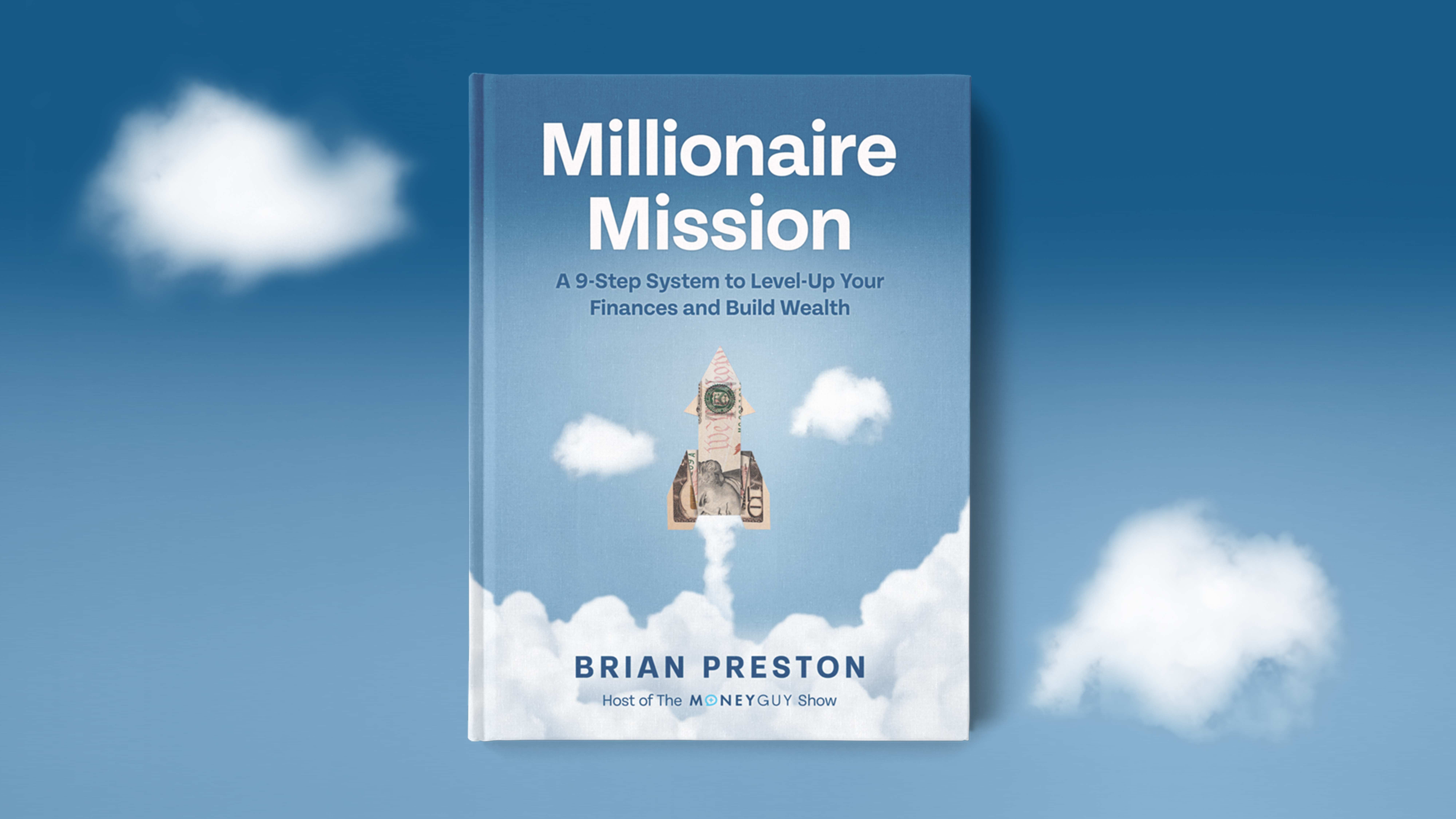


It's like finding some change in the couch cushions.
Watch or listen every week to learn and apply financial strategies to grow your wealth and live your best life.
Subscribe to our free weekly newsletter by entering your email address below.